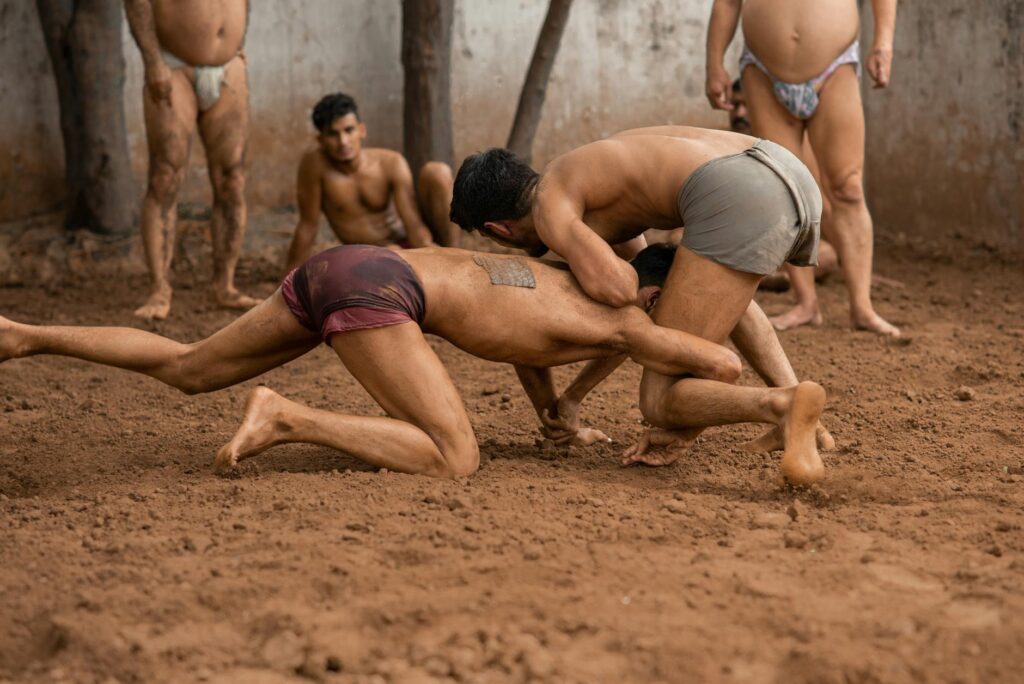
TLDR: I learned to build a Super Raid by combining timing, deceptive footwork and team set-up. You need a fast approach, a laser focus on the weakest line of defenders, one or two pre-planned feints, and the ability to return to your court while holding breath and chanting. Practice specific drills — reaction sprints, ankle taps, and partner resistance — and avoid telegraphing moves, rushing the approach, or attacking crowded zones. Follow the step-by-step drills below and the common mistakes to avoid to turn a regular raid into a match-changing Super Raid.
When I first watched a Super Raid live, I remember it like a match highlight that rewired how I approached offense forever. The raider staged a dramatic comeback: two quick touches, a dash through a gap, and a last-second escape while defenders lunged and missed. That moment pushed me to study the mechanics closely. I practiced raiding for months and built a repeatable sequence that raised my scoring rate. In this guide I’ll walk you through exactly what a Super Raid is, why it shifts games, how to execute one step by step, the drills I used, and the traps to avoid so you can add it to your arsenal fast.
Mastering the Super Raid in Kabaddi
What follows is a single, complete section covering definition, importance, execution and pitfalls. I structure it so you can read the overview, then use the subsections as hands-on action items. If you’re already familiar with the basics of kabaddi and want to level up your raiding, this is for you.
What is a Super Raid?
A Super Raid is an aggressive, high-value raid where a raider secures multiple touches (often 3 or more) or scores critical points while forcing a defender error, shifting momentum in a single play. Unlike a simple touch-and-escape, the Super Raid combines:
- calculated deception — planned feints or body fakes
- speed and footwork — explosive entries and measured exits
- spatial awareness — finding or creating gaps in the defense
- team synergy — teammates providing screens or drawing defenders
Why a Super Raid matters
As you know, a well-timed Super Raid can change a scoreboard quickly and break a defensive rhythm. Here’s why it matters:
- Momentum: One multi-point raid energizes your team and can demoralize opponents.
- Strategic advantage: Forces the opposition to reshuffle defenders, opening other lanes.
- Psychological pressure: Makes defenders hesitant and prone to mistakes or overcommitting.
Pre-raid checklist: What I always check before entering
Before I step onto the strip, I run a mental checklist. Do the same:
- Breath control: I take a calm breath so my chest stays steady during the chant.
- Target line: Identify the weakest two defenders or the gap near the corner.
- Team signal: Confirm any pre-set screen or decoy your corner players will use.
- Stamina read: Only attempt a Super Raid when you have the energy to press and escape.
Step-by-step: How I build my Super Raid
Let’s break it down into repeatable steps I used to practice. Follow them slowly at first, then increase speed.
- 1) Approach and tempo: Start with a short, explosive run. I avoid sprinting from the midline; instead I use a 2-3 step burst to disrupt timing.
- 2) First feint: Use a shoulder drop or head fake to pull the nearest defender forward. The goal is to create a half-step reaction that opens the inside lane.
- 3) Quick touch: Target an ankle or forearm with a low touch. Low touches are harder to counter and buy time.
- 4) Retreat and reset: Take 1-2 steps back without leaving the boundary, forcing defenders to adjust their stance.
- 5) Second feint or crossover: Use a sudden body pivot or “toe pivot” to change direction and target the second defender.
- 6) Final dash and escape: Push through an identified gap and accelerate back across the midline keeping your chest down, chanting and watching defenders’ hands.
Key technical tips I swear by
Small technical improvements made the biggest difference for me:
- Keep your center of gravity slightly forward during the dash but low when feinting for quick direction change.
- Eyes: Look at the defender’s hips to predict movement rather than their hands.
- Hands: Use a light touch on defenders so you can disengage quickly rather than getting tied up.
- Chant control: Keep a steady chant; if your breath is ragged your timing suffers.
Training drills to build a Super Raid
I used focused drills to internalize each element. Try these in practice:
- Reaction ladder + ankle taps: Combine agility ladder drills with partner ankle-tap repetitions to build quick low touches.
- Feint progression: Start with slow motion fakes, then increase speed while keeping balance. Partner resists slightly to simulate contact.
- Two-target raids: Practice touching one defender, stepping back, then immediately switching to the second target under timed conditions.
- Escape reps: Repeatedly simulate the final dash and crossing with defenders attempting grabs; this builds escape mechanics and breath control.
- Video review: Record raids and note where you hesitate or telegraph moves.
Team setups and communication I rely on
To pull off a Super Raid, you need teammates who understand their role. I coordinate these simple actions:
- Corner decoy: A corner player runs slightly inside to draw one defender.
- Edge pressure: A wing defender feigns closing in to create an overcommit by the opposition.
- Silent signals: A hand clap or head tilt to confirm the planned sequence right before I enter.
What to avoid: Common mistakes that kill a Super Raid
In my early attempts I made these errors — and they’re avoidable:
- Rushing the approach: Sprinting too hard telegraphs your intent and leaves you out of control.
- Telegraphing feints: If you look at the target or exaggerate the fake, defenders react correctly.
- Attacking crowded zones: Do not try to run through three anchored defenders. Choose lanes with a realistic chance.
- Poor breath control: Losing the chant or gasping ruins timing and your escape.
- Ignoring team cues: Never raid a Super Raid solo without confirming teammates’ roles.
In-match decision making: When I choose to go for a Super Raid
Timing is everything. I go for a Super Raid when:
- The opposition has a fatigued or rotating defender on the line.
- Your team can afford the risk — for example when you need quick momentum or points.
- There’s space near the corners or a defender is consistently lured by your decoy.
How to measure progress
Track these metrics in practice and matches. I logged mine weekly:
- Successful multi-touch raids per session
- Escape success rate after first touch
- Number of times defenders overcommit to a feint
- Stamina index: ability to maintain chant and speed late in play
Frequently Asked Questions
How many points is a Super Raid worth?
A Super Raid itself isn’t a separate scoring rule; its value comes from multiple successful touches in one raid. If you touch two or more defenders and they are out, those are the points you score. The name highlights impact rather than changing the scoring system.
Is a Super Raid risky?
Yes it carries higher risk than a standard raiding touch because you extend time on the opponent’s half and attempt multiple contacts. However, when executed with team screens and good energy, it often yields more points than risk would suggest.
Do I need to be a specialist raider to attempt it?
You don’t need to be elite to start practicing the sequences. Basic speed, balance and drills can let you attempt simplified versions. Still, consistent success requires timing and repeat practice.
Can defenders counter a Super Raid?
Defenders can counter by maintaining discipline: don’t overcommit to the first feint, communicate, and use collective tackles rather than individual lunges. Good defenders will bait the raider into errors.
How does this relate to basic tactics like how to play kabaddi?
The Super Raid builds on core raiding fundamentals — balance, chant control, touch precision. If you’re still learning the basics of how to score a point in kabaddi, practice those before layering the complex elements described here. A strong foundation makes your Super Raid much more reliable.
What should I prioritize in training?
Prioritize reaction speed, low-touch accuracy, escape replications under resistance, and team drill coordination. I found that improving ankle tap speed and practicing controlled feints gave the biggest leap in raid success.
To summarize, a Super Raid is a high-reward tactic that requires rehearsal, team coordination and smart timing. Start by practicing single elements — feints and low touches — then string them together under light resistance. However, remain aware of the risks, avoid predictable patterns, and track progress with simple metrics. If you want, I can give a 6-week training plan focused on building your Super Raid step-by-step, tailored to whether you’re a beginner, intermediate or advanced raider.

Sports Beats India is a website that covers all the latest sports news from India. We provide comprehensive coverage of all the major sports including cricket, football, hockey, tennis and more. We also have a dedicated team of writers who provide expert analysis and opinion on all the major sporting events taking place in India.