TLDR: I walked the same dusty village courts, registered for open trials, and got noticed by a coach after months of focused training. If you want to join Pro Kabaddi League trials, you need to know where franchises announce trials, how to prepare physically and technically, what paperwork to carry, and the common mistakes to avoid. Follow a step by step plan: research announcements, sharpen fitness (endurance, speed, agility), rehearse raiding and defense skills, attend trials confidently, and build network with coaches and state federations.
Intro
I remember the afternoon in 2017 when I first decided I wanted a shot at professional kabaddi. I had no connections and only a pair of worn-out shoes, but I had a plan. I ran, practiced raids with friends, and sent messages to local coaches until someone agreed to bring me to an open trial. That trial changed everything. You do not need to be famous to be seen. You need clarity, disciplined preparation, and the right approach to the trial day.
How to Join Pro Kabaddi League Trials
What is a Pro Kabaddi League trial?
A trial is a selection event organized by a Pro Kabaddi franchise, state federation, or talent program to identify players who can perform at a professional level. Trials can be open to anyone, limited to invited players, or run as part of development camps. In recent seasons franchises often hold public trials and talent hunts across regions to scout raw talent for the pro kabaddi league.
Why does joining trials matter?
Joining trials is the most direct way to get on a franchise radar. Even if you do not get selected immediately, trials give you feedback from coaches, a chance to benchmark against peers, and video footage you can use to track progress. As you know, visibility is half the battle in modern sports; trials create that visibility.
How to find trial announcements
Franchises and the league post trial notices on social media and official websites. In addition, state kabaddi associations, sports academies, and university teams often host events that attract talent scouts. To maximize your chances:
- Follow official team handles and the league’s announcements.
- Join local kabaddi groups and WhatsApp channels for trial alerts.
- Contact state federation offices and ask about upcoming selection camps.
- Look for talent hunt programs run by academies and sports bodies.
How should you prepare physically?
Trials test stamina, speed, agility, and strength. I recommend a 12-week routine if you have time, shorter if you do not. Focus areas include:
- Endurance: build aerobic base with interval running and shuttle runs.
- Speed: sprint sets 20m to 60m with recovery intervals.
- Agility: ladder drills, cone drills, and reaction work to improve footwork.
- Strength: bodyweight core work plus squats and deadlifts for leg drive.
- Flexibility: dynamic warmups and regular mobility sessions to avoid injury.
What technical skills will selectors watch?
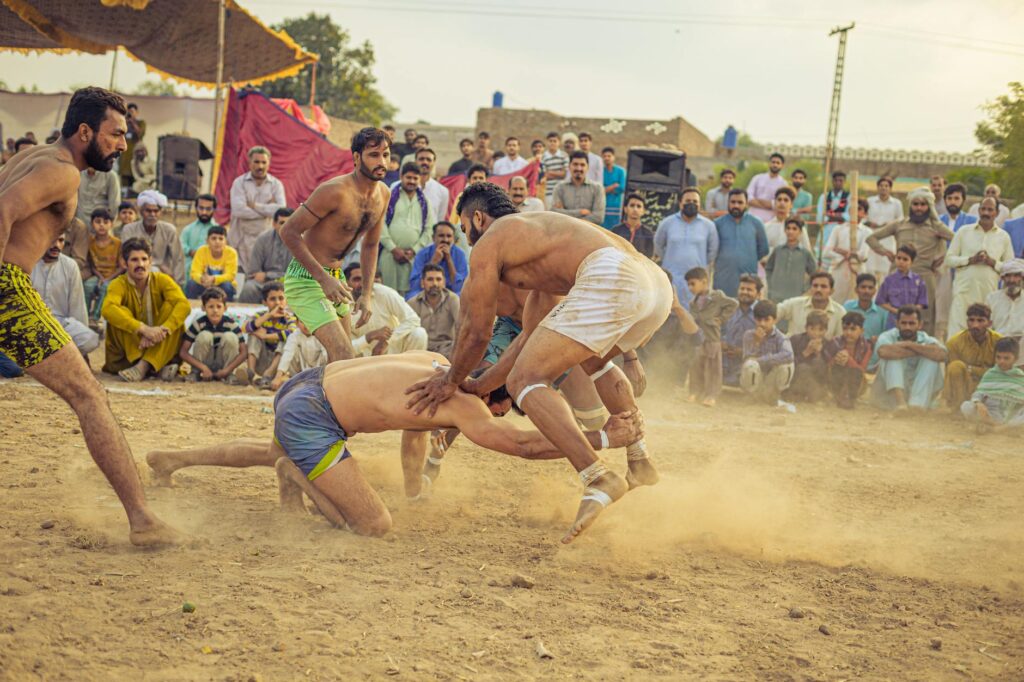
Selectors look for game-specific skills that transfer to professional play. For raiders, that means quick single-point raids, hand touches, footwork, and comeback speed. Defenders must show effective tackles, timing for ankle holds and blocks, and communication in chain tackles. During practice, drill these drills daily:
- Dummy raid drills and escape drills to sharpen footwork.
- Pair tackling practice, focusing on timing and body position.
- Game-scenario mini matches to showcase decision-making.
- Breathing control under pressure so you can maintain composure when fatigued.
How do you register and what to bring?
Registration is usually online or on-site. Read the trial notice carefully for the registration link and deadline. On trial day carry:
- Valid photo ID and age proof, and a passport-size photograph.
- Copy of registration confirmation and emergency contact details.
- Basic first aid tape, inner clothing, and comfortable sports kit.
- A small CV with your sports achievements and a contact number. I used to hand this to coaches after warmups so they remembered my name.
What happens during the trial?
Trials vary, but expect a mix of fitness tests, skill drills, and small-sided games. Typical flow looks like this:
- Warm up and fitness assessment (shuttle test or sprints).
- Skill stations for raiding, tackling, and agility.
- Controlled scrimmages where selectors evaluate game sense and temperament.
- Final drills or one-on-one matchups to decide the shortlisted players.
How do selectors evaluate you?
Coaches look for consistent performance, coachability, attitude, and durability. I learned that a single brilliant raid is good, but consistent positive contributions across drills stand out more. Be on time, listen to instructions, and show teamwork in games. That matters as much as statistics.
How to stand out without flashy moves
Selectors notice habits that contribute to team culture. You can stand out by:
- Maintaining high effort every drill even after mistakes.
- Communicating clearly and helping fellow players during scrimmages.
- Demonstrating discipline with warmups and hydration.
- Showing game intelligence: predictable moves do not impress, smart timing and reading the opponent do.
What should you avoid at trials?
Common errors I saw and made early on include:
- Arriving late or underprepared physically.
- Overplaying risk moves that lead to errors or injuries.
- Ignoring instructions from staff which shows poor coachability.
- Neglecting recovery; poor mobility or extreme soreness will reduce your performance on subsequent days.
How to follow up after the trial
After trials, patience is crucial. If you have contact details, send a polite thank you message to the coaching staff within 48 hours and include a short highlight reel if available. If you were not selected, ask for feedback and work on the exact areas suggested. Persistence often leads to future invites.
Alternative routes to reach the league
If you do not get picked from open trials, there are other credible paths. Play strong in state championships, university tournaments, and Khelo India events. Network with coaches and academies to attend development camps. If you want to accelerate exposure, create short performance clips and share them with franchise talent scouts and sports managers.
How I used video and social proof
I recorded short clips of my best raids and defensive plays and uploaded them to social platforms. That allowed a coach who missed my trial to assess me later. In the modern scouting ecosystem you can get noticed long after a trial by sharing consistent updates about your training and match performances.
What about age and eligibility?
Eligibility rules vary by trial organizer. Some trials are age-restricted for junior talent hunts while franchise open trials typically welcome adults above 18. Check each trial announcement carefully. If you are uncertain about rules, contact the organizers before showing up. That saves time and prevents disqualification on technical grounds.
What should you eat and how to manage rest before trial day?
Nutrition and sleep are often overlooked but they directly affect on-court performance. Two days before the trial focus on complex carbs and lean proteins. On trial day have a light breakfast, hydrate well, and avoid heavy fats. Sleep at least seven hours the night before. In addition, do a short mobility routine an hour before registration to feel primed.
How to join and get noticed online
Aside from physical trials, franchises sometimes track talent on social media and highlight reels. If you are building your profile, use consistent handles, tag teams politely, and share match footage that is well-edited and highlights decision-making, not just flashy moves. Recruiters appreciate clarity and repeatable skill evidence.
Frequently Asked Questions
How old do I need to be to attend Pro Kabaddi League trials?
Age limits depend on the specific trial. Many franchise open trials prefer players who are above 18, while junior talent hunts and academy programs may accept younger players. Always read the eligibility criteria in the trial announcement or contact organizers for clarification.
Where can I find official trial dates and venues?
Most teams and the league announce trials on their official social media pages and websites. In addition, state kabaddi associations post selection camp details. If you want more ways to keep track, sign up for local sports groups and follow the talent development pages run by academies and federations.
Do I need to pay to attend a trial?
Open franchise trials are mostly free, but some academy-run talent hunts may charge a nominal fee for logistics. The trial announcement will specify any fee. If a charge seems suspiciously high, verify with the franchise or state federation before paying.
Can foreigners try out for the league?
Yes, international players have participated in the league before. However, visa and eligibility requirements differ. Check with organizers and plan travel and documentation well in advance.
How long does selection take after the trial?
Timelines vary. Some franchises announce shortlisted players within days, others take weeks to finalize squads. Stay available and keep training while you wait. I found that staying active and continuing to improve increases the chance of recall invitations.
Is there any online resource to learn more about becoming a pro?
There are many guides and blog posts that cover the pathway to professional kabaddi. If your goal is to become kabaddi player, focus on structured training plans, local competitions, and networking with coaches. Also, if you want to watch pro kabaddi games, studying match footage will improve your understanding of tactics and build a mental map of pro-level movements.
To summarize
If you want to succeed in Pro Kabaddi League trials, adopt a methodical approach: track announcements, prepare physically and technically, present yourself professionally on trial day, and follow up. However, consistent practice, humility, and the willingness to learn are the qualities that convert trial invites into selection offers. I know because I made the same journey and learned these lessons the hard way. Now it is your turn to get on that court and show what you can do.

Sports Beats India is a website that covers all the latest sports news from India. We provide comprehensive coverage of all the major sports including cricket, football, hockey, tennis and more. We also have a dedicated team of writers who provide expert analysis and opinion on all the major sporting events taking place in India.