TLDR: I’ve followed kabaddi for years and these defenders reshaped how I see the game: Fazel AtraChali brought iron-clad tackles and leadership, Manjeet Chillar combined athleticism with timing, Dharmaraj Cheralathan perfected positioning and anticipation, and Rajesh Narwal was the quiet workhorse whose consistency turned matches. Below I explain what makes an elite defender, why defense wins championships, how these players built their craft, and common mistakes to avoid.
I still remember the first time I sat courtside for a Pro Kabaddi clash. The stadium lights, the thud of a low tackle, and the roar when a defender pulled off an ankle hold hooked me instantly. That day I promised myself I’d learn why some defenders look effortless while others flail. Years later, after watching seasons, studying techniques and talking to coaches, I’ve narrowed down the defenders who changed the sport — not just with raw strength but with timing, intelligence and the kind of presence that makes teammates better.
Best Kabaddi Defenders of All Time: what they do, why it matters, how they trained, and what to avoid
What is an elite kabaddi defender?
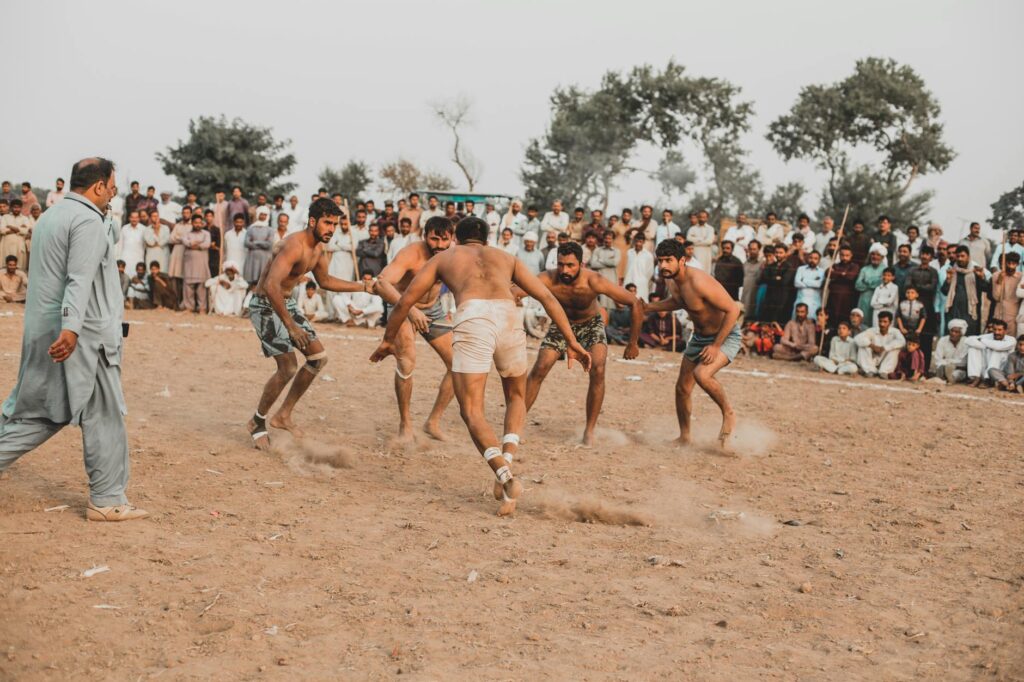
An elite defender is more than a tackler. I think of them as tactical anchors who read raids, set traps, and control space. They combine speed, balance, anticipation, and communication — turning defensive sets into scoring opportunities. Key components include:
- Positional awareness: staying in place to influence a raid
- Timing and technique: choosing the exact split-second to lunge, dive or hold
- Team coordination: setting up chain tackles and switches
- Mental resilience: staying composed during high-pressure raids
Why does elite defense matter?
Defense wins championships. When you stop a strong raider, momentum swings — and confidence follows. As you watch a match, pay attention to how defenders control tempo. A reliable defense forces the opposition to take risks, creates turnovers and gives your raiders easy chances. That strategic value often outweighs a single explosive raid.
How do top defenders build their craft?
From my conversations with trainers and long practice sessions I attended, the pattern is consistent: repetition plus match awareness. Training focuses on:
- Drills for ankle holds, thigh holds, and block timing
- Agility ladders and plyometrics to improve first-step quickness
- Video study of opposing raiders to identify tells and preferred moves
- Simulated team drills to perfect communication during chain tackles
What should defenders avoid?
There are common traps I see budding defenders fall into:
- Overcommitting: lunging too early and getting outmaneuvered
- Relying solely on strength: technique and timing beat raw force
- Poor communication: failing to call switches or picks in time
- Ignoring recovery: inadequate fitness leads to late reactions
Fazel AtraChali
What he is: Fazel is a modern defensive titan known for his punishing blocks and relentless leadership on the mat. Why he matters: his presence shifts how raiders approach his side — many avoid direct contests because he rarely loses positional duels. When useful: Fazel thrives in high-stakes matches and during rotations where you need a defender who can both anchor the line and make game-changing tackles. His blend of upper-body strength and textbook block timing makes him lethal in close-quarter tackles. In many matches I watched him change the outcome by turning an expected raid into a turnover with a perfectly timed hold; that kind of impact is rare and decisive. fazel atrachali kabaddi
Manjeet Chillar
What he is: Manjeet built a reputation as an explosive all-round defender who could read raids before they started. Why he matters: his quick reflexes and intelligent positioning converted fleeting chances into points. When useful: I recommend watching Manjeet for players and coaches wanting lessons on anticipation and lateral movement. His ability to switch from mid-line defense to ankle holds in a heartbeat made him invaluable in tight matches and gave his teams the structure to execute aggressive defensive plans. manjeet chillar
Dharmaraj Cheralathan
What he is: Dharmaraj represents veteran craft — a defender whose reads and patience often outwit younger raiders. Why he matters: his positioning and anticipation create opportunities for teammates; he rarely needs to rely on raw power because he’s mastered timing. When useful: he’s perfect for neutralizing crafty raiders who try to bait defenders into mistakes. In my analysis, Dharmaraj’s calm leadership during chaotic raids often serves as the backbone of a championship defense. dharmaraj cheralathan kabaddi
Rajesh Narwal
What he is: Rajesh is the archetype of consistency — a hardworking defender who backs up strategy with dependable execution. Why he matters: coaches love players like him because they minimize errors and plug gaps that raiders try to exploit. When useful: Rajesh is most valuable in long tournaments where stamina and steady performance matter more than flashy plays. Watching him taught me the importance of role players who do the little things: stay low, time the block, and always communicate. rajesh narwal kabaddi
Rakesh Kumar (silent architect)
What he is: Rakesh combined smart positioning with the grit to make last-second tackles. Why he matters: his defensive IQ allowed him to plan sequences that trapped raiders into predictable lanes. When useful: he was best when used as a schemer inside a disciplined defensive unit — a coach’s dream for orchestrating chain tackles. I remember a match where his anticipatory moves forced the raider wide and into a waiting trap; plays like that show how tactical defense can be as clinical as any raid.
Mohit Chillar (dynamic mid-line threat)
What he is: Mohit brought athleticism and timing to mid-line defense, often converting breakaway situations into points. Why he matters: his speed let him close lanes fast and make tackles that looked impossible. When useful: he excelled against agile raiders who tried quick in-and-out moves; Mohit’s burst and lateral reach were perfect counters. From a player’s standpoint, studying him clarifies how speed and presence combine to contain rapid raids.
Why these defenders stand out compared to others
I often break players into categories: power anchors, tactical organizers, and athletic interceptors. The defenders above mix these traits. What set them apart for me personally was not a single skill but the consistency of application — they all executed defense as a system rather than individual heroics. That systemic approach means:
- They forced opponents into predictable patterns.
- They converted small advantages (angle, body position) into points.
- They elevated teammates by communicating and leading the defensive formation.
How you can train like the best defenders
If you play defense and want to improve, here are practical steps I used when training with local teams:
- Drill ankle holds slowly first, then add resistance to simulate match fatigue.
- Practice lateral shuffles with a mirror or partner to refine body angling.
- Do situational drills: two-on-one, three-on-two, and last-man stands to build decision-making.
- Study match footage and note recurring tells from top raiders — anticipation beats reaction.
Common mistakes defenders make and how to fix them
I’ve coached players who fall into the same traps; here’s how I corrected them:
- Overreach: shorten your lunge and let teammates finish the chain.
- Stiffness: add mobility work; flexible hips and ankles reduce injury risk and improve reaction time.
- Silent play: train with verbal cues so your team learns to coordinate without looking.
Frequently Asked Questions
Who is the best kabaddi defender ever?
That depends on how you measure “best.” If you value leadership and match-turning blocks, names like Fazel AtraChali or Dharmaraj Cheralathan come up. If you prefer athleticism and mid-line dominance, players like Manjeet Chillar and Mohit Chillar make strong cases. Personally, I weigh consistency, impact in clutch moments, and the ability to elevate a team.
How important is technique versus strength in defense?
Technique beats strength in most scenarios. Strength helps, but timing, angle and team coordination decide outcomes more often than brute force. Work on core technique first and layer strength training to complement it.
Can a defender become a great raider?
Yes, some players flip roles successfully because they understand both sides of the play. However, transitioning requires dedicated skill work: raiding needs foot speed, hand dexterity and breath control that differs from defensive drills.
What should young defenders focus on first?
Focus on stance, balance and communication. Those fundamentals reduce errors and help you learn advanced holds later. Also, watch and learn from matches — reading raiders’ body language is a learned skill.
How do teams build an elite defense?
Teams plan defense like chess: assign roles, practice set pieces, and build trust. Coaches rotate defenders so everyone knows how to cover gaps. In my experience, the best defenses are drilled relentlessly and measured by how few unforced errors they make.
To summarize, great defenders are equal parts athlete and thinker. However, as you grow as a player or fan, remember that defense is a team art — individual brilliance shines brightest when it fits into a collective plan. If you want, I can create a training plan that focuses on ankle holds, block timing, and match-sim drills tailored to your level.