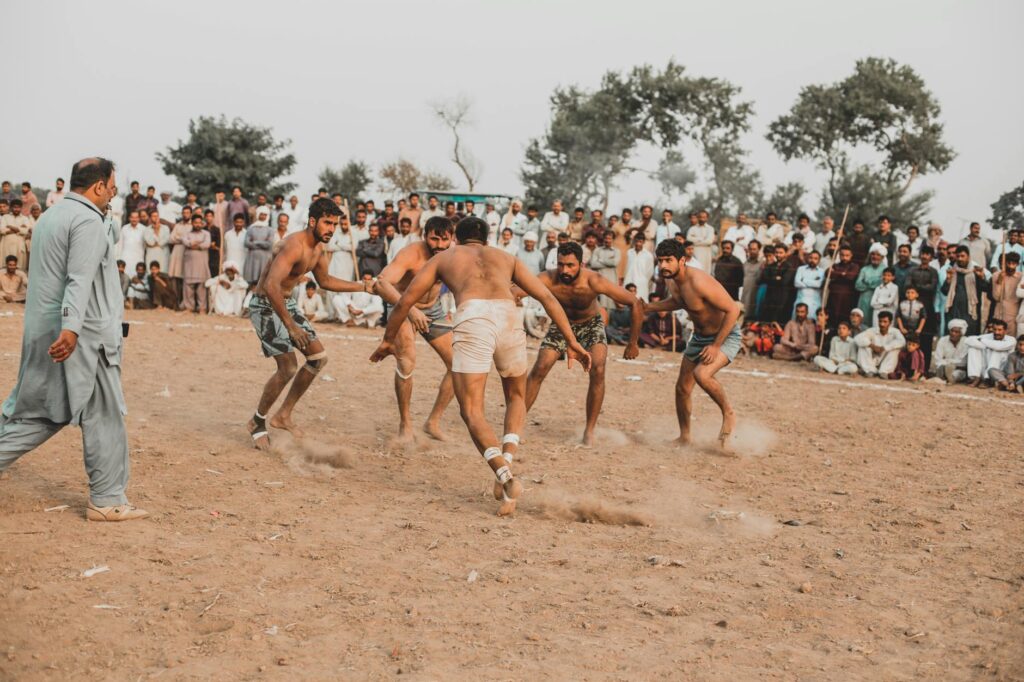
TLDR: I walked the road from backyard kabaddi to professional trials, and I’ll map the practical steps you need: build sport-specific strength and agility, master raiding and defense techniques, follow a weekly training plan, learn match tactics, get tournament exposure, use proper gear, avoid common mistakes like overtraining or ignoring nutrition, and target selection routes such as district/state teams, Khelo India, and the Pro Kabaddi League.
When I was a kid, the only goal was winning a dusty match under the streetlight. Years later I stood in a gym waiting for a team trial, heart racing but confident because I had structured every hour of training to close the gap between a hobbyist and a professional. I’m sharing that exact, experience-driven blueprint so you don’t have to learn the hard way.
How to Become a Professional Kabaddi Player in India
Becoming a professional requires more than raw talent. I’ll walk you through what kabaddi is at the performance level, why it matters for your career, and a clear step-by-step plan you can apply whether you’re 15 or starting later. As you read, picture yourself improving week by week and stacking small wins until you get noticed.
What is the professional kabaddi pathway?
At the top level, kabaddi in India is organized across school, college, district, state, national and franchise systems. The main professional visibility comes from the pro kabaddi league and national team selection. But to get there you usually follow this chain: local tournaments → district teams → state championships → national camps and zonal trials → franchise drafts or national team selection. Each step tests your fitness, technique, and match temperament.
Why becoming pro matters beyond money
You might think the only reward is the paycheck. In my journey I discovered other rewards: access to professional coaching, sponsored medical care, travel and cultural exposure, and the chance to inspire young players back home. Professional kabaddi also opens doors to stable government jobs and endorsements if you perform consistently.
How do you start: first 90 days plan
When I began preparing for trials, I treated the first 90 days like a foundation block. Here’s a simple plan you can follow:
- Week 1–4: Baseline testing. Measure 40m sprint, vertical jump, push-ups, squats, and an endurance test (8–12 minute run). Record results.
- Week 5–8: Build strength and explosiveness. Three strength sessions per week, two agility sessions, one skill session focused on basic raids and holds.
- Week 9–12: Increase sport-specific intensity. Add full-court match drills, defensive chains, tactical scenarios, and at least one competitive match a week.
Track progress numerically. Small improvements compound fast and will show up when coaches evaluate you.
Physical training: what to focus on and why
Kabaddi is explosive and contact-heavy. From my experience, the most important physical attributes are acceleration, lateral quickness, core strength, and joint resilience. A balanced week looks like:
- 2 strength sessions (compound lifts: squats, deadlifts, lunges) with plyometric add-ons
- 2 speed and agility sessions (ladder drills, cone shuffles, short sprints)
- 2 skill/tactical sessions on the mat or court
- 1 active recovery: mobility, light swimming or cycling
Don’t skip mobility. I injured my shoulder once by ignoring it; smart mobility work keeps you available for selection.
Technical skills: raiding, defense, and transitions
When I trained with a coach, he broke the game into repeatable skills. Mastering these technical pillars will make you reliable in trials and matches:
- Raiding basics: strong toe-touch, hand-feel (catching ankles or sleeves), chain of quick moves (dubki, hand-feint, toe-touch combo)
- Defense: ankle hold, thigh hold, block and pounce timing, coordinated chain tackles
- Transitions: quick recovery after raid and reading opponent intent on the whistle
Drill each skill with progressive pressure. Start solo, then with a partner, then simulate match pressure. I found videoing practice invaluable to correct small technical errors.
Match tactics and reading the game
Technique without game sense gets you only so far. Learn to read defenders, watch opponent body language, and time your raids when defenders are stretched or exhausted. I used to study Pro Kabaddi games to understand how top raiders create space and how defenders bait attackers into traps. Doing this helped me adapt quickly during trials.
Mental preparation, diet and recovery
Professional sport tests your mind as much as your body. I adopted three mental habits that helped in pressure situations:
- Pre-match routine: breathing, visualization of 3 successful raids or tackles
- Post-match reflection: write one thing to fix and one thing you did well
- Consistency over intensity: avoid training spikes that lead to burnout
Nutrition and sleep are non-negotiable. Aim for balanced meals rich in protein, complex carbs and healthy fats. After I switched to structured meal timings and 8 hours of sleep, my recovery and on-court explosiveness improved markedly.
How to get exposure: tournaments, trials and selection routes
Visibility is everything. Here’s how I increased mine and how you can too:
- Local and school tournaments: treat them like trials; perform consistently
- District and state championships: prioritize these; selectors watch them closely
- Khelo India and university championships: excellent platforms with scouts present
- Club teams and academies: a good academy gives structure and regular matches
- Open trials and combines: register early and prepare with match-hardening sessions
When I focused on regular tournament play rather than random training, coaches started noticing the consistency. If your goal is to become kabaddi player, treat each game as a job interview.
Gear and equipment: basics that matter
Proper gear reduces injury risk and helps your game. Don’t over-invest in flashy items early, but make sure you own the essentials and keep them in good shape. I always carried a match kit and recovery tools to trials. For a checklist, check the common list of equipment kabaddi.
How selection to higher squads works
Selection panels look for measurable fitness, coachability, and match impact. When I attended state trials, selectors graded players on timed runs, tackle drills, raid success percentage in practice matches, and attitude during sessions. If you want to join indian kabaddi team, aim for consistent impact in national camps and maintain clean fitness reports — medical and doping clearances matter.
How to approach the Pro Kabaddi League draft
Franchise scouts look for players who bring match-winning skills, fitness, and marketable traits. Playing in recognized tournaments and maintaining highlight reels increases your chance of being drafted. I recommend contacting recognized academies that have prior connections with franchises and preparing a short video with your best raids and defensive plays to submit when the season approaches. Familiarize yourself with rules and auction format of the pro kabaddi league and register any official profiles they require.
What to avoid: common mistakes that derail careers
From personal experience and watching teammates, these mistakes are sadly common:
- Ignoring recovery and playing injured — short-term gain, long-term injury
- Neglecting nutrition — you can’t rebuild muscle without proper fuel
- Skipping match exposure — practice is useful, but selectors want performance under pressure
- Training only one skill (e.g., only raiding) — versatility raises your value
- Poor attitude and inability to accept coaching — attitude is as important as talent
Avoid these and you’ll keep progressing steadily.
How I tracked progress — simple metrics you can use
I tracked numbers because they remove bias. Keep a log with:
- Sprint times and vertical jump monthly
- Number of successful raids and tackles per match
- Injury and rest days
- Coach feedback notes
Numbers made it easier to show selectors improvement and to adjust training when progress stalled.
Realistic timeline: when to expect selection
There’s no fixed timeline — genetics, starting age, and access to coaching matter. From my time in the system, players who commit full-time and follow structured plans often reach district/state selection within 1–2 years and get noticed by franchises in 2–5 years. If you’re older, focus on demonstrating immediate match impact and superior fitness.
FAQs
Can I become a professional kabaddi player if I start at 20?
Yes, you can. Many players begin late and succeed by focusing on intense, smart training and maximizing match exposure. Age matters less than physical readiness and performance in competitive matches.
What should I eat to improve recovery and performance?
Prioritize lean protein (chicken, fish, legumes), complex carbs (millet, brown rice, oats), healthy fats (nuts, seeds, ghee in moderation), and hydrate consistently. Add whey or plant protein post-training if you need more calories for recovery.
How often should I practice technique versus strength?
Balance is key. A typical week: two strength sessions, two sport-specific technical sessions, two match-intensity sessions, and one recovery. As competitions approach, shift more hours to technical and tactical practice and reduce heavy lifting volume.
Is joining an academy necessary?
Not mandatory but highly recommended. Good academies provide structured training, regular matches, strength coaching, physiotherapy, and exposure to selectors — all of which accelerate your path to professional ranks.
How do I contact scouts or franchises?
Build a highlight video of your best plays, maintain a consistent competitive record in tournaments, and reach out through academy contacts or official league registration portals. Networking at state camps and national championships also helps.
Final thoughts
To summarize, becoming a professional kabaddi player in India blends disciplined physical preparation, technical mastery, tactical intelligence, consistent match exposure, and smart recovery. However, the single most important thing I learned is consistency. Train with purpose every week, seek feedback, and show up to matches ready to perform. If you do that, coaches will notice — and opportunity will follow.

Sports Beats India is a website that covers all the latest sports news from India. We provide comprehensive coverage of all the major sports including cricket, football, hockey, tennis and more. We also have a dedicated team of writers who provide expert analysis and opinion on all the major sporting events taking place in India.