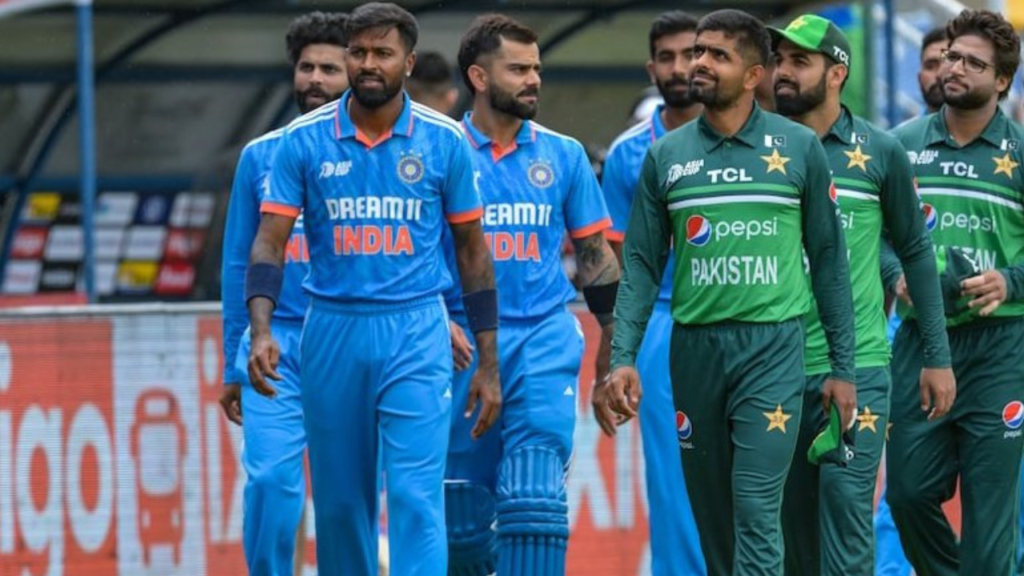
I still remember sitting in a packed living room for one of those India versus Pakistan matches, the air thick with excitement and a hope that cricket could bridge divides. That feeling of optimism is why I followed Lalit Modi’s recent comments so closely. As someone who writes for SportsBeatsIndia and cares about cricket diplomacy, his pessimistic take about the future of bilateral ties between India and Pakistan hit hard.
Why Lalit Modi Believes Bilateral Cricket Is Unlikely Soon
Modi points to deep political interference inside the Pakistan Cricket Board as the main roadblock. He argues that decisions are no longer purely about sport. Instead, external pressures and high-level political involvement have politicized scheduling, team tours, and even neutral venue proposals. As you know, when cricket decisions become entangled with state-level politics, standard routes like ICC facilitation and neutral-ground series get complicated quickly.
Political Interference and the PCB
I watched the PCB evolve over the years and I have seen how governance issues and political appointments can shift priorities. In addition to administrative influence, security narratives and diplomatic tensions add another layer that makes bilateral series improbable. Modi believes these pressures will only intensify, not ease, making short-term resumption unrealistic.
Neutral Venues and the Practical Limits
Let’s break it down: neutral venues used to be a workable compromise. However, Modi suggests even that option falters now because political signaling from either side could derail approvals and logistics. The International Cricket Council and Boards like BCCI can propose solutions, yet cricket relations need trust and stable diplomatic channels to translate plans into fixtures.
Impact on Fans and the Sport
Fans bear the biggest emotional cost. I feel that absence every time I cover a major tournament without an India-Pakistan matchup. In addition to passion, bilateral series carry commercial clout and developmental benefits for players from both nations. Modi’s warnings remind me that the game’s structure and governance directly affect what spectators and stakeholders experience.
To summarize
Modi’s view is blunt: political interference within the PCB and broader diplomatic tensions make a quick return to India-Pakistan bilateral cricket unlikely. I will continue tracking developments for SportsBeatsIndia, and I remain hopeful that a pathway returns one day, even if it will take sustained political will and cricket-focused governance reforms to get there.