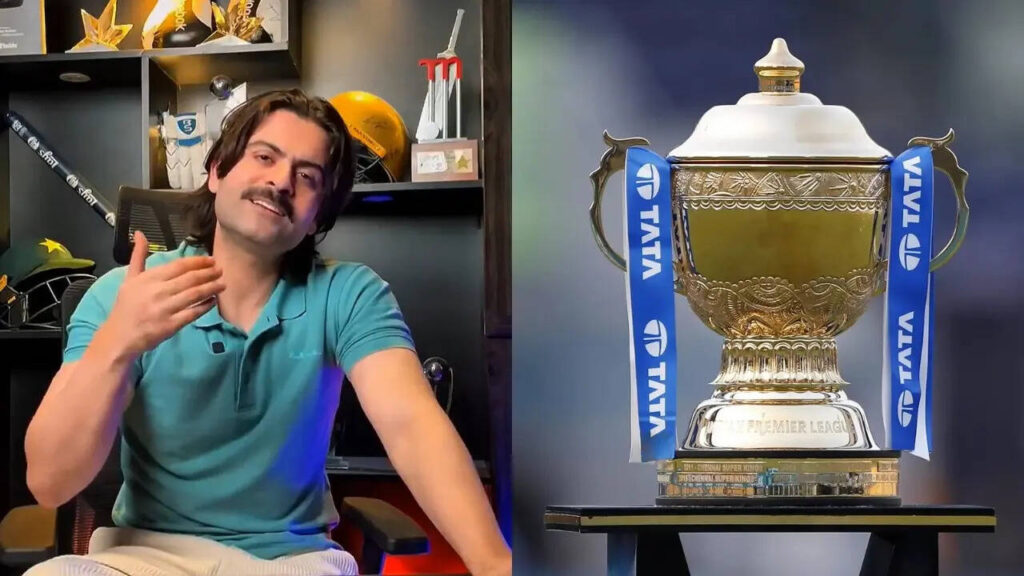
I remember sitting in front of my screen, coffee in hand, following a PSL game where Kusal Mendis strode to the crease. As someone who follows cricket closely for SportsBeatsIndia, I noticed not just the strokes and the scoreboard but the conversation unfolding off the field. Shehzad stepped in and pointed to the line of questioning aimed at Mendis while he is currently plying his trade in the Pakistan Super League.
Why the reaction matters for players and the game
When a senior voice in the cricketing fraternity highlights how journalists and commentators frame questions, I pay attention. However, this is not about shielding players from scrutiny. As you know, elite athletes answer for performances, fitness and decision making. In addition, the way those questions land can affect a player who is trying to rebuild form or adapt to new conditions in a franchise tournament.
Media pressure during franchise cricket
I have seen many players arrive at a tournament with baggage from international cricket or recent losses. Let’s break it down into what typically happens. Reporters pursue narratives because those stories engage audiences. That drive creates pointed lines of questioning about form, selection and temperament. When those questions accumulate, they can shift the public conversation from the technical to the personal, which is what Shehzad seemed to caution against.
How this affects Kusal Mendis specifically
Mendis has talent as a wicketkeeper-batsman and a history of big innings. On the other hand, his career has included phases of struggle and recovery. I noticed Shehzad drawing attention to how timely support and balanced critique can help a player find rhythm in the PSL. To summarize, fair and focused feedback on technique or match situations tends to be more constructive than repetitive commentary about confidence or character.
Practical takeaways for fans and media
You and I both want cricket that rewards good analysis and protects the human side of the game. Media professionals can ask sharper, context-driven questions. Fans can look past headlines and judge performances over time. In the fast-moving world of franchise cricket, measured dialogue benefits teams, players and the sport we love.