TLDR: I built a simple, regulation-inspired kabaddi court in my school playground using affordable materials and careful measuring. In this guide I walk you through what a kabaddi court is, why it matters for training and play, exact dimensions you can adapt for home or school, step-by-step building instructions, safety tips, and common mistakes to avoid so you can get players practicing quickly and safely.
How to Build a Kabaddi Court at Home or School
When I first decided to set up a kabaddi area at my school, it was because I wanted kids to learn the sport properly without traveling to clubs. I remember marking the ground with ropes, then realizing a little measurement change made drills work better. In this article I share that hands-on experience so you don’t repeat trial and error. I speak as someone who balanced practicality with official guidance, so you’ll get both realistic options and tips to keep players safe and engaged.
What is a kabaddi court?
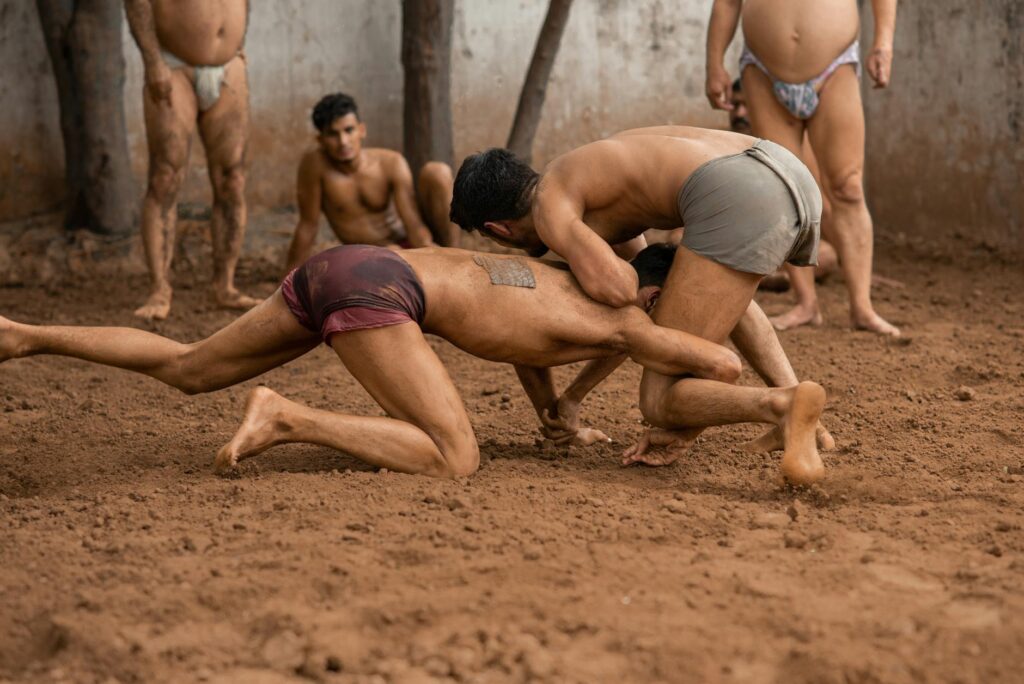
At its core, a kabaddi court is the playing surface where two teams face off in the traditional game. If you want background before building, check out this link about kabaddi that explains the sport and basic rules. For builds at home or school, you don’t always need a full professional arena; you need a correctly measured, clearly marked flat area where players can practice raids, tackles, and teamwork.
Why it matters to have a proper court
In my first coaching sessions I noticed players hesitated when boundaries were unclear. A defined court helps:
- Teach spatial awareness and positioning
- Keep practice safe by setting limits for dives and tackles
- Allow accurate drills that translate to real matches
- Make matches fair and measurable for scoring and improvement
As you know, a sloppy playing area creates bad habits. However, you can adapt the scale and materials to suit limited space without sacrificing learning outcomes.
Official size vs adapted size
For adults the standard court is 13m x 10m (raid area and lobby included), but schools and homes often need smaller footprints. I recommend two practical options:
- Mini-court (practice/home): 9m x 6m — ideal for small yards, PE halls, or rooftops with non-slip flooring
- Semi-regulation (school): 12m x 8m — gives near-competitive feel and works for older children
If you want to compare exact professional dimensions and official pitch details, measure against the length kabaddi pitch resource which lists official standards. In addition, remember that surface flatness and player safety are as important as length and width.
Materials you’ll need
I built my first court with low-cost items and upgraded later. Here’s a checklist based on durability and budget:
- Measuring tape (20m or more) and chalk or marking spray
- Ropes or waterproof tape for boundary guidelines
- Cones for center line and baulk line markers
- Sweeper/brush and broom for cleaning the surface
- Optional: interlocking foam mats or artificial turf for rooftop or concrete surfaces
If you want to plan what to buy and why, read more about equipment kabaddi to match gear to your setting. In my experience, good footwear and a slightly cushioned surface significantly reduce injuries during training.
Step-by-step: How I built a school-friendly court
Let’s break it down. I’ll walk you through the process I followed so you can replicate or adapt it.
- Choose the spot: Flat, open ground with drainage. I used a cleared patch of playground next to the football field so kids could move between sports.
- Decide size: For my students aged 10-16, I used the semi-regulation 12m x 8m layout. Measure twice and mark corners with small flags.
- Mark center and midlines: Use the measuring tape to find the center line and then mark baulk lines. Cones helped me visualize before final marking.
- Boundary marking: For grass I used white lime powder for visibility. On concrete I used waterproof paint or athletic tape. For temporary setups, bright duct tape works well.
- Install lobby and player boxes: Mark 1m wide out-of-play lobbies on both sides if space permits; these protect players during play transitions.
- Surface finishing: Remove debris, level small bumps, and if using mats, install interlocking foam tiles. I positioned mats only within 1m of center to cushion frequent contact zones.
- Set up spectator and safety zones: Keep at least 1.5m clearance around the court. I moved benches and equipment out of reach to reduce collision risk.
In addition to the physical setup, I ran drills the next day to test visibility of lines and to ensure players didn’t slip when pivoting. Those quick practice tests reveal small issues you can fix before formal matches.
Quick measurement checklist
When you’re ready to mark the court, follow this quick guide:
- Confirm court dimensions per your chosen size
- Find and mark center line and baulk lines
- Mark midline for team separation (if using reduced dimensions adjust proportionally)
- Label corners and lobby areas clearly
To summarize, accuracy in these marks makes drills repeatable and learning more effective.
What to avoid (common mistakes I made first time)
I learned the hard way. Avoid these pitfalls:
- Ignoring surface grip: Slippery concrete forces players to hold back. Use mats or anti-slip paint.
- Too small clearances: Crowding the court with benches or walls increases injury risk.
- Vague marking: Thin or faded lines confuse players — use bold paint or fresh tape.
- Skipping trial drills: Don’t assume everything works—run a mock game to check measurements and flow.
However, if you must start small, use temporary markings and iterate. I upgraded my setup after a few practice sessions and the improvement was worth the small cost.
Safety and maintenance
Player safety kept me up at night during the first month. Follow these maintenance steps:
- Inspect the playing surface weekly for holes, stones, or loose tiles
- Reapply boundary markings every season or after heavy rain
- Keep first-aid kit and ice packs nearby during practice
- Encourage proper warm-ups and use of non-marking shoes on indoor floors
As you know, small investments in safety reduce training days lost to sprains and bruises.
Progression: From practice area to mini-competition
Start with controlled drills, then move to timed raids and finally score-keeping scrimmages. I introduced scoreboards and simple referee rules when students were comfortable. In addition, rotating roles (raider, defender) ensures skill development across the group.
Frequently Asked Questions
Can I build a kabaddi court on concrete or rooftop?
Yes, you can. Use interlocking foam mats or artificial turf to reduce impact on joints. I installed a row of cushioned tiles in the central zone where most tackles happened. Also, ensure adequate drainage and no sharp edges nearby.
How long should the court be for kids?
For younger children (below 12), a mini-court of about 9m x 6m works well. This scale shortens running distance, keeps drills intense, and reduces fatigue. Gradually increase size as players’ stamina and skills improve.
Do I need professional paint and lines?
Professional paint gives the cleanest result, but temporary waterproof tape or chalk works for initial coaching and seasonal use. I used tape for two months then upgraded to athletic field paint before holding an inter-school match.
How many players can use the court at once?
Standard matches use 7 players per team on the full-size court. However, for training you can run 4v4 or 5v5 on reduced dimensions to increase touches and involvement per player.
What surface is best for injury prevention?
Soft artificial turf or thick EVA foam mats perform best on concrete roofs or hard floors. Grass is forgiving but uneven surfaces can cause ankle twists. My tip is to level the ground and add a thin cushioning layer where tackles are practiced.
How do I maintain lines and markings?
Repaint or replace tape every 6-12 months depending on weather and usage. For temporary courts, carry spare tape and a compact measuring tape to refresh markings before matches.
Where can I learn the rules to run matches?
Start with a concise rules guide and then mentor a student referee. If you want an introduction to gameplay and scoring, look up beginner guides and rulebooks online, and practice with short scrimmages so everyone learns by playing.
To summarize, building a functional kabaddi court at home or school is entirely doable with thoughtful planning, proper measurements, and a focus on safety. I started small, tested with drills, and upgraded as enthusiasm grew. If you follow the steps above you’ll have a playable area that helps your players improve quickly and enjoy the sport.

Sports Beats India is a website that covers all the latest sports news from India. We provide comprehensive coverage of all the major sports including cricket, football, hockey, tennis and more. We also have a dedicated team of writers who provide expert analysis and opinion on all the major sporting events taking place in India.