TLDR: The ankle hold is a high-reward defensive move in kabaddi that combines timing, grip, core stability, and teamwork. I walk you through the technique step-by-step, effective drills, conditioning exercises, how to apply it in match situations, common mistakes to avoid, and injury prevention strategies so you can add a reliable ankle hold to your defensive toolkit.
Mastering the Ankle Hold: An Overview
I still remember the first time I successfully pulled off an ankle hold in a competitive match. My palms were sweaty, my legs were buzzing, and the whole team seemed to hold its breath as I closed on the raider. That single stop changed the momentum of the game and taught me the value of practice, patience, and the right mechanics. If you want to make that same impact, I’ll guide you step by step.
What is the ankle hold?
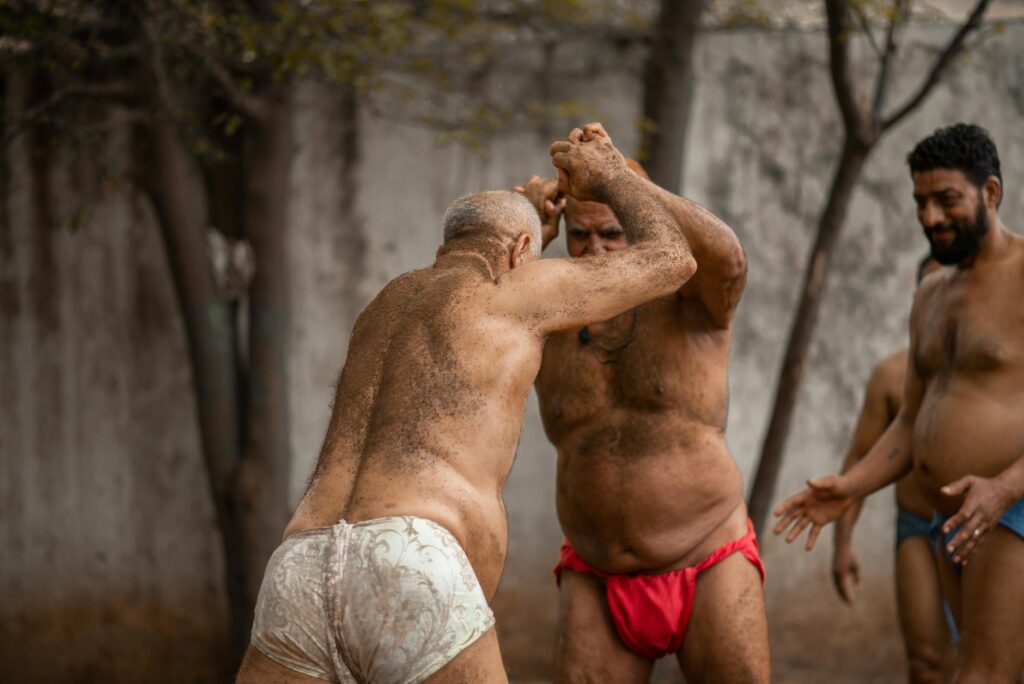
The ankle hold is a defensive tackle where a defender grabs or traps a raider’s ankle (or lower leg) to stop forward movement and complete a successful catch. It’s a specialist skill requiring precision, balance, and explosive core power. Executed well, it’s clean, low-risk, and difficult for the raider to escape without committing a foul.
Why the ankle hold matters
In modern kabaddi, defense wins half the battle. The ankle hold matters because it:
- Creates high-probability tackles against single raiders;
- Shifts momentum by converting pressure into a point;
- Serves as a deterrent—raiders become cautious against defenders who can finish ankle holds;
- Complements other tackles (chain tackles, thigh holds) to build a varied defense.
Key physical attributes you need
Before diving deep into technique, you need a base level of fitness. Focus on:
- Explosive lower-body strength for quick lunges;
- Hip mobility and ankle flexibility to move low and safely;
- Core stability to resist raider pulls and prevent toppling;
- Grip strength for a secure hold under pressure.
How do you perform a textbook ankle hold?
Let’s break it down into practical steps I used during drills and matches.
- Anticipation and angle: Read the raider’s body and move to cut off their escape path. You want to approach from a 30-45 degree angle rather than head-on.
- Drop your center of gravity: Lower your hips quickly by bending at the knees, keeping your back straight and chest over hips.
- Lead with one hand: Extend your dominant hand to brush and locate the raider’s ankle—aim for the instep or just above the Achilles.
- Secure the grip: Close your fingers around the ankle and lock with your other hand or your forearm for a two-point fixation.
- Anchor your base: Plant your lead foot slightly behind the raider’s planted foot to create resistance and stability.
- Finish with the core: Use a short, controlled pull downwards and slightly backwards while driving your shoulder into the raider’s thigh to prevent them from hopping free.
- Call for backup: If the raider is strong and tries to roll, teammates should converge to complete a chain or hold.
Drills to build the ankle hold
Practice the components separately and then combine them under increasing difficulty.
- Foot-targeting drills: Have a partner jog at varying speeds while you practice lunging and touching the ankle with the back of your hand. Do 3 sets of 10 reps each side.
- Grip & pull sets: With a resistance band looped around a partner’s ankle, practice securing the band and pulling while maintaining posture. Focus on short, strong pulls.
- Low-squat plyometrics: Jumping squats and lateral bounds improve the explosive drop and drive required for a fast descent into the hold.
- Partner escape simulation: Start with a light hold; partner attempts to break free using spins and hops. Gradually increase resistance to mimic match pressure.
Strength and conditioning plan
In addition to technical practice, I recommend a weekly routine that targets muscles relevant to ankle holds.
- Deadlifts (heavy, 3 sets of 5) for posterior chain strength;
- Single-leg Romanian deadlifts (3 sets of 8 each leg) to build balance and hamstring strength;
- Bulgarian split squats (3 sets of 10) for explosive single-leg power;
- Planks and anti-rotation core work (3 sets, 45 seconds) to resist twisting forces during holds;
- Farmer carries and towel hangs (3 x 40m, 30s hangs) to improve grip endurance.
How to apply the ankle hold in match situations
Knowing the move is different from applying it mid-game. Here are tactical pointers I follow:
- Save the ankle hold for single raider isolations or when the raider overcommits to a side.
- Communicate loudly—use simple calls so teammates can form a chain quickly if the raider tries to roll.
- Watch for the raider’s feints; if they switch to a jump, release safely to avoid a foul.
- Mix your tackles—don’t telegraph that you’ll always aim low. Change levels and timing to keep raiders guessing.
What to avoid when going for an ankle hold
Some mistakes invite reversals or fouls. Learn from my early errors:
- Do not lunge too long or over-extend—this leaves you off-balance and vulnerable;
- Avoid grabbing clothing or higher up the leg; aim strictly for the ankle area to stay within legal parameters;
- Don’t pull with your arms alone—use your legs and hips to anchor and finish the tackle;
- Never ignore safety: a bad landing risks ankle or knee injury for both players.
Injury prevention and recovery
Because ankle holds target a joint, you must respect load management. I use these protocols:
- Dynamic warm-up focused on ankle mobility and calf activation;
- Progressive training load—don’t attempt hard tackles fresh off injury or fatigue;
- Use ice and compression if you feel swelling after repeated practice;
- Consult a physiotherapist for persistent pain—early rehab prevents long-term issues.
Video and analysis: Learn from the pros
Study league matches and slow the footage down. Look for these cues:
- Which angle the defender used to enter;
- How the defender positioned feet relative to the raider’s planted foot;
- Timing between initial contact and the finishing pull.
How to coach the ankle hold to teammates
If you’re a senior player or coach, teach it progressively:
- Start with stationary grips, then introduce movement, then full-speed situational drills;
- Reinforce landing mechanics to reduce injury risk;
- Encourage repeated feedback loops—film practice and review 2-3 key errors each session.
Frequently Asked Questions
How long does it take to learn an effective ankle hold?
Everyone learns at a different pace. With focused training—two specific ankle-hold sessions per week plus strength work—you can expect reliable execution in 6 to 12 weeks. Consistent drilling and match exposure shorten that timeline.
Can beginners attempt the ankle hold in early training?
Yes, but start slowly. I taught it first as a touch-and-release drill so players learn placement without risking injury. Only progress to resistance and live tackles once the technique is sound.
How do I decide between an ankle hold and other low tackles?
Choice depends on position, timing, and the raider’s body type. If the raider is light and single, an ankle hold is ideal. For heavier or multiple raiders, a thigh hold or team chain tends to be safer and more effective.
What should I do if my ankle hold is regularly broken by raider spins?
If raiders spin out, tighten your grip and adjust your foot placement to block the spin axis. Practice partner-escape drills that include rotational attempts so you learn to maintain contact while using your hips to resist the spin.
Can I practice ankle holds at home without a partner?
Partially. Work on mobility, single-leg strength, and grip exercises alone. Use a resistance band on a stationary post to simulate the pull element, but partner drills are essential before match application.
Is the ankle hold allowed at all levels of kabaddi?
Yes, the ankle hold is a standard legal tackle when performed correctly. Avoid grabs above permitted areas or illegal actions that could be called as fouls by referees.
Where can I learn more about the rules and basics of kabaddi?
If you want a clear primer on what kabaddi is and the rules that govern tackles and raids, start with a general guide on kabaddi. For practical drills on court movements and team defense, also check my recommended guide to play kabaddi and a short equipment overview at equipment kabaddi.
To summarize
Mastering the ankle hold is about rhythm, not brute force. Train anticipation, drop low quickly, secure a tight grip, and finish with core-driven pulls. Combine targeted drills with strength and mobility work, and always prioritize safety. In matches, be selective and communicate—an ankle hold at the right moment can turn a game. If you practice deliberately and film your sessions, you’ll fast-track improvement and become a reliable stopper in your defense.
Now get out on the mat, practice the progressions I described, and tell me which drill helped you most. I’ll be ready with tips to tweak your technique.

Sports Beats India is a website that covers all the latest sports news from India. We provide comprehensive coverage of all the major sports including cricket, football, hockey, tennis and more. We also have a dedicated team of writers who provide expert analysis and opinion on all the major sporting events taking place in India.