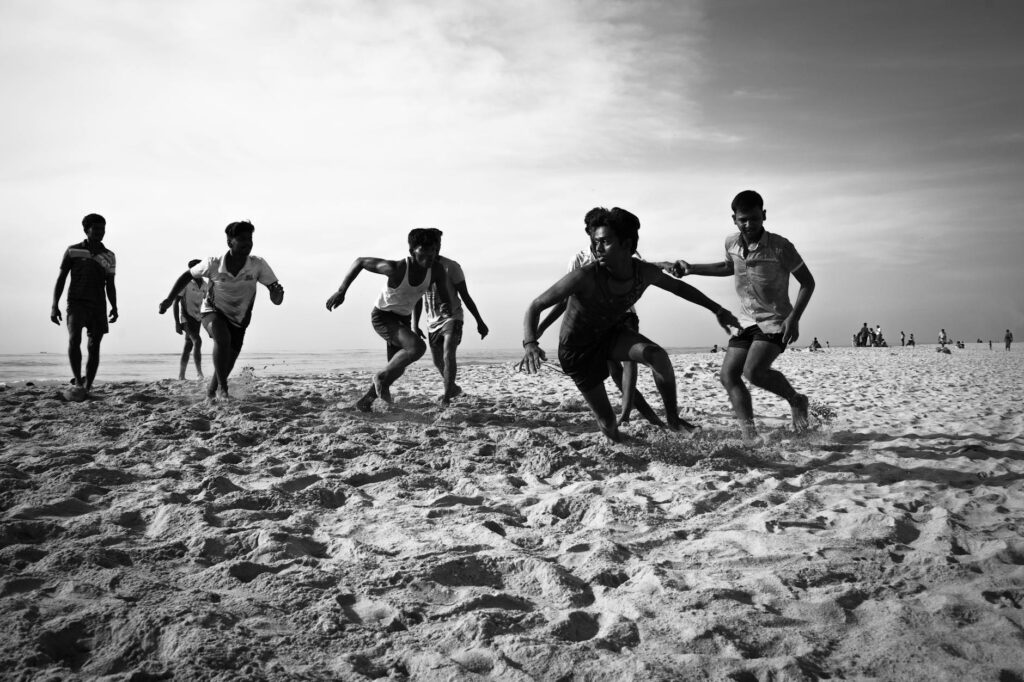
I still remember the first time I tried a full-speed raid in a muddy school ground and got flattened by three defenders at once. That fall taught me more about timing and technique than any drill ever did.
TLDR: I break down the raiding techniques the best kabaddi players use: toe and hand touches, dubki, leap and dive raids, scorpion kicks, ankle holds and bonus strategies. I explain why each technique matters, how to train them with simple drills, how to use them in match situations, and the common mistakes to avoid so you can raid smarter and score more consistently.
Intro: If you are a raider or coach who wants practical, repeatable guidance, you are in the right place. Over years of training and watching elite matches, I’ve distilled the moves and the training habits that separate high-impact raiders from the rest. This is not just theory — it’s the techniques I practiced, the drills I learned, and the tactical tweaks I picked up watching top players win in the final minutes.
Best Raiding Techniques Used by Top Kabaddi Players
What is raiding in kabaddi?
Raiding is the offensive act where a single player (the raider) crosses into the opponent’s half to tag defenders and return safely. However, it is more than tagging; it is a mixture of physical skill, deception, spatial awareness and timing. Top raiders make it look effortless because they master a small toolbox of techniques and combine them fluidly under pressure.
Why raiding technique matters
In kabaddi, a successful raid can change momentum instantly. As you know, a well-timed raid scores points, pressures the opponent into defensive mistakes, and can even lead to an all-out. Let’s break it down: technique reduces risk of being tackled, increases point-per-raid efficiency, and lets you conserve energy by using skill rather than raw power. In addition, good technique forces defenders to change formation, creating openings you can exploit later.
Toe and hand touch (fundamentals)
What it is: Toe and hand touches are the most basic scoring moves. They rely on speed, balance and precise contact while retreating towards your side.
Why it matters: These touches are low-risk and high-return when executed with proper body shape and quick retreat. They keep defenders guessing and are especially useful against slow or heavy defenders.
How to practice:
- Shadow retreats: Sprint forward 5–7 meters, then practice small, sudden touches and immediate back-pedals.
- Wall touches: Use a soft target (mat or low pad) and practice toe touches using a single-leg plant to simulate evasive balance.
- Partner drills: With a padding partner acting as a blocker, time the touch and exit without getting grabbed.
Dubki (slip or duck)
What it is: Dubki is a low-body slip where the raider drops or ducks under a defender’s arm to pass behind or between defenders.
Why it matters: When defenders are forming a chain, dubki lets you bypass them rather than confronting strength head-on. I used dubki to turn a crowded defense into my path to a safe score.
How to practice:
- Low-core drills: Improve hip hinge and ankle mobility with kettlebell deadlifts and deep squat walking.
- Timed ducking: With a coach simulating a block, practice a quick drop and acceleration behind the defender.
- Film review: Top players repeat dubki at specific moments; watch clips and note the defender’s posture and weight shift before attempting.
Leap and dive raids
What it is: Leaps and dives are explosive moves where you cover ground quickly to reach a defender and then either grab and return or touch and dive back to your half.
Why it matters: They are powerful tools against open defenses or when the bonus line is close. However, they require perfect timing because a failed dive often leads to being pinned.
How to practice:
- Plyometrics: Box jumps and broad jumps build the explosion needed for safe, long-range dives.
- Controlled dives on mats: Rehearse landing mechanics to protect shoulders and wrists.
- Situational reps: Start from different distances and simulate crowding defenders to learn when to commit and when to abort.
Scorpion kick and deceptive footwork
What it is: A scorpion is a backward or sideways kick used when a defender grabs your leg or reaches for a touch. It is combined with quick feints and lateral moves.
Why it matters: It adds unpredictability to your raids and can break simple ankle grabs. When used sparingly, it creates hesitation in defenders and opens room for toe touches.
How to practice:
- Resistance band kicks: Stand on one foot and practice quick backward kicks against light resistance.
- Feint-to-kick drills: Combine shoulder fakes with a scorpion kick so defenders bite on the feint and miss the grab.
- Controlled partner gripping: Let partners hold your ankle lightly while you practice the kick and immediate escape.
Ankle hold and counter-attacks
What it is: While ankle hold is primarily a defensive technique, advanced raiders learn how to counter the ankle hold and convert pressure into movement or a second chance escape.
Why it matters: Anticipating an ankle grab helps you avoid predictable steps and prepares you to pivot or scorpion-kick. I’ve seen matches turned by raiders who read the ankle grab early and used their momentum to force a tackle error.
How to practice:
- Grip awareness drills: Practice with a partner who attempts ankle grips; your goal is to keep weight centered and find the pivot point to rotate free.
- Hip-turn escape: Build hip rotation strength to twist out of low grabs.
Bonus strategy and reading the court
What it is: Bonus points are scored by touching the bonus line under specific conditions. Top raiders use a mix of risk calculation and decoys to create safe bonus opportunities.
Why it matters: A bonus is a quick point with less risk if the defenders are badly positioned. However, chasing bonus blindly gets you tackled.
How to practice:
- Spatial drills: Start raids with defenders intentionally out of formation so you learn when to sprint for the two-point advantage and when to retreat.
- Decision training: Use small-sided games where you must choose between a high-value touch and a safer exit.
How do you combine techniques in a match?
Good raiders mix moves. For example, you may stare for a toe touch, then feint a hand touch, drop into dubki when defenders lean, and finish with a dive. In addition, timing and reading defenders are crucial. I always watch the defender’s hips and shoulders; their weight shift tells me whether a dubki or a straight touch will work.
Practical in-game tips:
- Sequence your attacks: Start simple, force a reaction, then use deception to exploit the reaction.
- Observe defending patterns: If a opponent guards the line tightly, use lateral moves; if they overcommit to ankle grabs, use scorpion kicks.
- Use support: Coordinate with your corner and half-court raiders. A feint that draws a defender can open space for a secondary touch.
What should you avoid?
Avoid predictable, repeated moves that let defenders set traps. Avoid diving when the defense has formed a solid chain. Never neglect physical conditioning — technique fails without the speed and core strength to execute under fatigue. Also, avoid chasing bonus points when more than two defenders are between you and the line.
Training plan: a 6-week cycle to sharpen raids
Week-by-week focus (bullet style so you can implement easily):
- Week 1: Fundamentals — toe touches, hand touches, basic footwork (high reps, low intensity).
- Week 2: Mobility and core — hip mobility, ankle flexibility, planks and rotational core work.
- Week 3: Power — plyometrics, sprint intervals, resisted sprints for explosive entries and exits.
- Week 4: Technique integration — combine feints with dubki and scorpion under controlled pressure.
- Week 5: Match simulation — small-sided games, timed raids, film review of your raids.
- Week 6: Taper and polish — reduce volume, increase speed, practice decision-making under fatigue.
Common mistakes and how to fix them
Mistake: Over-committing to a dive. Fix: Practice retreat drills and only dive when you have a clear path or when a defender is isolated.
Mistake: Predictable footwork. Fix: Add random feint drills and rehearse multiple exit options each rep.
Mistake: Ignoring conditioning. Fix: Integrate HIIT sprints and core circuits twice a week to maintain technique when tired.
Frequently Asked Questions
How do I become a better raider quickly?
Focus on three things: precise touches, explosive first step and reading defenders. Repeat targeted drills daily, film your raids, and get feedback from a coach. If you want a roadmap, check out how to become a kabaddi player for step-by-step guidance on progression and selection.
Which moves should I learn first?
Start with toe and hand touches and basic footwork. Once you can execute those consistently under pressure, add dubki and simple dives. Those fundamentals give you the confidence to layer in deception and scorpion-style counters.
How can I practice if I don’t have a team?
You can improve a lot alone: shadow raids, plyometrics, directional sprints, and filmed self-analysis. When you need a reactive partner, recruit a friend for short sessions or join a local club. Also, learning how to play kabaddi in small-sided formats speeds skill transfer to real matches.
Which professional league should I watch to study raiding?
Watch high-level games and slow them down. Pro Kabaddi League matches are a great source; observe raiders’ body language and the defender formations before and after each raid. If you follow the pro kabaddi league, focus on how elite raiders change pace and mix techniques across raids.
How should I avoid injury while practicing dives and scorpions?
Progress gradually, use mats for landings, strengthen shoulders and wrists, and include dynamic warm-ups before high-impact drills. Also, monitor volume — repeated high-impact repetitions without adequate recovery raise injury risk.
To summarize
Great raiding is a blend of reliable fundamentals and surprise techniques. If you practice smart — focusing on touches, mobility, explosive power and decision-making — you will become more efficient and dangerous as a raider. However, keep learning from matches, vary your drills, and avoid the predictable patterns that defenders exploit. Use the drills here, track your progress, and adjust your training based on what defenders give you in real games.
Good luck. Train intentionally, and the next time you step into the opposition half, you’ll raid with the calm confidence of a top player.

Sports Beats India is a website that covers all the latest sports news from India. We provide comprehensive coverage of all the major sports including cricket, football, hockey, tennis and more. We also have a dedicated team of writers who provide expert analysis and opinion on all the major sporting events taking place in India.