TLDR: I learned kabaddi by breaking the game into a few clear pieces: what kabaddi is, the court and players, the objectives, basic scoring, common fouls, and simple drills you can run in a school class. Read this step-by-step guide and you’ll be ready to teach or play a safe, fun session that emphasizes teamwork, timing, and respect for the rules.
How to Understand Kabaddi Rules — A Beginner’s Guide for Schools
I still remember my first school PE class where we had to try kabaddi. I felt nervous about the contact and confused by the signals the referee made. I promised myself I would learn the rules clearly so I could teach other kids without fear. Over the years I practiced, read official guides, and refined simple explanations that work for classrooms. In this guide I’ll walk you through rules in a way that makes sense for teachers, coaches, and students taking their first steps with the sport.
What is kabaddi?
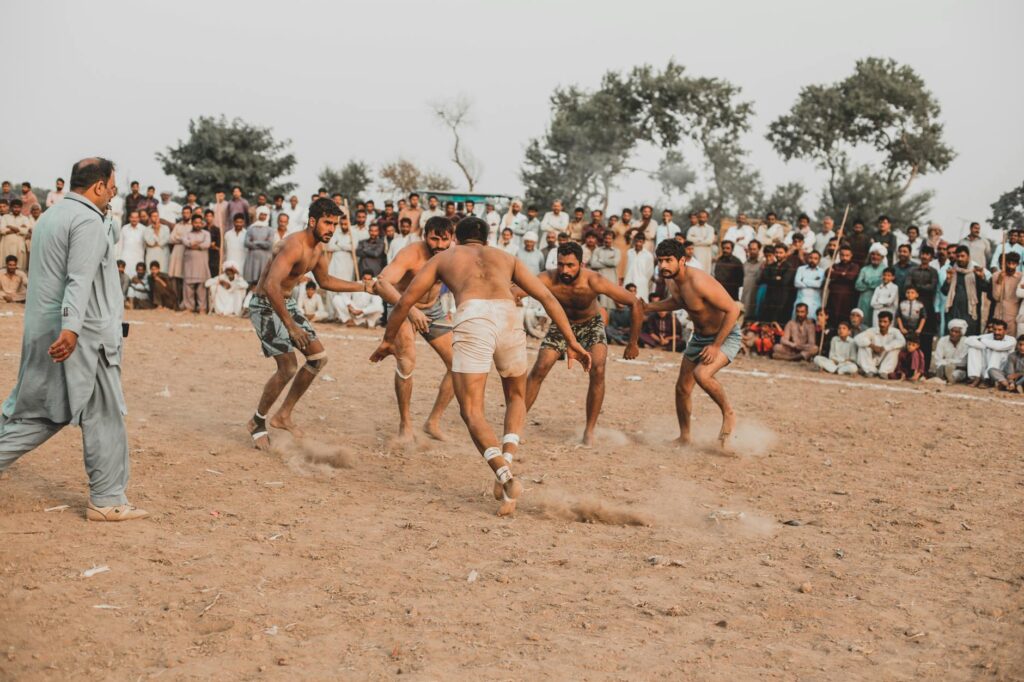
Kabaddi is a fast, contact team sport that combines tagging, breath control, and tactical teamwork. Two teams take turns sending a raider into the opponent’s half to tag defenders and return safely. It is energetic, low-cost, and perfect for school settings because the equipment needs are minimal and the game builds agility, communication, and confidence.
Why kabaddi matters in a school setting
In addition to being culturally significant in many countries, kabaddi teaches students:
- Teamwork and communication under pressure
- Quick decision-making and spatial awareness
- Controlled physical contact and respect for opponents
- Low equipment cost and easy setup for playgrounds
Because the rules are straightforward once you break them down, kabaddi makes a great introductory contact sport for young players.
How the game is structured (basic components)
Let’s break it down so you can visualize a lesson plan:
- Two teams on a rectangular court, each team defends its half
- Teams take turns sending a raider across the midline
- The raider must tag one or more defenders and return to their half without being tackled
- A successful tag scores points; a successful tackle returns the raider to the bench
Court, players, and timing
Official courts have exact dimensions, but for school use you can scale down to fit a playground. A standard adult court is about 13m by 10m; younger players can play on a smaller rectangle. A full team fields seven players on the court with substitutes on the bench. Each raid has a time limit for the raider — teach kids to use around 20–30 seconds for practice drills and explain the idea of operating under a simple countdown.
Essential terms to know
Here are the short terms I always teach first so the class speaks the same language:
- Raider: the attacking player who enters the opponent’s half
- Defenders: the team trying to stop the raider
- Raid: the act of entering the opponent’s half
- Touch: when a raider tags a defender
- Tackle: when defenders stop the raider before they return
- Out: a player removed from the game after being successfully tagged or tackled
When I teach, I demonstrate each term with a quick live drill so students remember them visually and kinesthetically.
How to play step-by-step (simple drill-friendly method)
To help you teach children to play confidently, I split the learning into small steps and drills. Use these drill sequences during your PE session:
- Step 1 — Walk-through: Have a volunteer act as a raider and practice walking across the midline, chanting if you use that traditionally in your area
- Step 2 — Tag-and-run drills: One raider, two defenders. Practice tagging and running back without being tackled
- Step 3 — Timing practice: Add a visible countdown so raiders learn a controlled, calm pace
- Step 4 — Small-sided games: Use 3v3 on a smaller court to emphasize decisions and teamwork
- Step 5 — Full-sided game: Progress to full teams once students master basics
If you want a compact reference to different movement techniques, show students how to feint, how to explode out of a tag, and how to support teammates during a tackle.
When kids are ready to expand their knowledge, I direct them to resources that explain how to play kabaddi for deeper rules and strategy.
Scoring — the simple version
Scoring can confuse beginners so I teach a minimal version first: each successful touch or tackle counts as one point for the attacker or defending team respectively. You can also score multiple points when a raider tags more than one defender in a single raid. Once students are comfortable, introduce bonus points and technical elements slowly.
To complement classroom exercises I sometimes hand out a short sheet that explains how to score point kabaddi with examples and diagrams — it makes the scoring rules stick.
Equipment and safety
One of the reasons I love teaching kabaddi is how little you need to start. At minimum you need a marked rectangle and cones for boundaries. For formal play players wear comfortable sports clothes and soft shoes. In school settings emphasize safety gear like knee pads when introducing tackles.
If you want a deeper list for equipment procurement, review the school’s checklist and the full guide to equipment kabaddi which lists mats, boundary markers, and optional protective gear.
Basic fouls and violations to watch for
Make sure students understand these common fouls:
- Raider fails to return before the time limit
- Raider holds a defender illegally or uses dangerous force
- Defenders commit unfair holds or pull hair/clothing
- Multiple players leave the court boundaries during a play
Teach refereeing cues early: a raised hand for out, a sweep gesture for a successful raid, and a verbal call. I practice signaling with students by having them call and mimic the referee after every point.
Tactics that work in school games
Early on, focus on simple team tactics that encourage smart play rather than raw strength:
- Support the raider with two defenders marking likely escape lanes
- Use quick, short raids to build momentum rather than long risky raids
- Teach defenders to close and then commit together to avoid one-on-one errors
- Rotate players so every child learns both raiding and defending
These habits build confidence and reduce injury risk while keeping games competitive and fun.
What should you avoid when teaching kabaddi?
In my experience the biggest mistakes teachers make are preventable. Avoid these:
- Rushing into full-contact play before players know basics — spend time on drills
- Ignoring refereeing — clear, consistent calls reduce arguments and injuries
- Allowing unreasonable risks (dangerous tackles, grabbing heads or clothing)
- Over-coaching complex rules to beginners — keep early sessions simple and skill-focused
However, if you follow the staged progression above you’ll find kids learn safely and quickly.
How to run a 30-minute beginner lesson plan
Here’s the quick lesson I used when introducing kabaddi to a school class:
- Warm-up (5 minutes): dynamic stretches and light running
- Terminology and demonstration (5 minutes): show raider, defender, tag, tackle
- Drills (10 minutes): tag-and-run, 2v1 tackle practice
- Mini-games (8 minutes): 3v3 on small court, rotate players often
- Cool-down and reflection (2 minutes): talk about teamwork and rules learned
Short, repeated sessions over weeks build real understanding much faster than a single long lecture.
Frequently Asked Questions
What is the simplest way to explain kabaddi to a class?
Tell them kabaddi is a tag game with teams. One player goes over the line, tries to tag, and comes back without being held down. Keep the explanation short, show a single demonstration, and immediately do a simple tag-and-run drill so they learn by doing.
How many players do you need to start?
You can begin with as few as 3v3 for a small-sided game. Official teams have seven players on the court, but for beginners smaller teams speed up learning and increase touches per player.
Do students have to chant or say kabaddi while raiding?
Some cultural styles include a chant to show breath control, but it isn’t mandatory for school sessions. If you use it, keep it relaxed and optional; the focus should remain on technique and safety.
How do I handle disputes over a call?
Establish a simple appeals process: the referee explains the rule briefly, replays the action if needed, and makes a final decision. Rotate referees between students so everyone learns to accept calls and understand the rules.
Can kabaddi cause injuries?
Like any contact sport, kabaddi carries risk, but proper warm-up, scaled contact, clear boundaries, and well-enforced fouls reduce injuries significantly. I always prioritize skill progression and controlled drills before full-contact play.
To summarize
Teaching kabaddi in a school environment is rewarding and manageable if you break the rules into understandable parts. Start with short, supervised drills, teach the vocabulary, emphasize safety, and scale up to full games. You’ll find students respond well to the mix of strategy, speed, and teamwork. If you want deeper technical references later, check the linked resources I use when planning lessons and drills.
Enjoy teaching, keep sessions fun, and remember that clear rules and consistent refereeing create the best learning environment.

Sports Beats India is a website that covers all the latest sports news from India. We provide comprehensive coverage of all the major sports including cricket, football, hockey, tennis and more. We also have a dedicated team of writers who provide expert analysis and opinion on all the major sporting events taking place in India.